


Would you like to know Who God is?
Would you like to know why you were created?
Would you like to know what sin is?
View Answer from book
God is the eternal being who created the universe by His Word, forming what is visible from what is invisible (Hebrews 11:3 ESV). The one true and living God exists in three persons we call the Trinity—God the Father, God the Son (Jesus Christ), and God the Holy Spirit (Matthew 3:13–17 ESV). God alone is all-powerful, all-knowing, and exists everywhere at once. God is the same yesterday, today, and forever and is the only person in the universe who was not created but simply existed before time. God has a mind, will, emotions, and is self-aware—in this regard mankind is created in His image.
God is good (Psalm 100:5 ESV). God is light (1 John 1:5 NIV). God is love (1 John 4:16 ESV). God is just (Deuteronomy 32:4 NIV). God is holy, holy, holy (Isaiah 6:3 NIV; Revelation 4:8b NIV). God is Sovereign, Supreme Ruler, and Judge over His creation—but He is also very near, intimate, and cares deeply for His own.
God testifies about Himself, “The Lord passed before him and proclaimed, ‘The LORD, the LORD, a God merciful and gracious, slow to anger, and abounding in steadfast love and faithfulness, keeping steadfast love for thousands, forgiving iniquity and transgression and sin, but who will by no means clear the guilty…’” (Exodus 34:6–7a ESV).
Mankind was created to bring God praise and glory and honor as we live with Him and for Him, walking in righteousness, holiness, faith, hope, love, and the good works He prepared for us. We were created to know, love, trust, obey, serve, and enjoy God—to abide in His presence, walk humbly with Him, experience His wonderful fellowship, and live within His divine blessing. This is accomplished as we are equipped and empowered by the Holy Spirit to live in obedience to God’s written Word and revealed will.
We were created in such a way that our relationship and fellowship with God would be the number one priority that our lives revolve around and are built upon. We were created to love God with all our heart, soul, mind, and strength (Mark 12:30 ESV). Our bodies were created to be indwelt by the Holy Spirit (1 Corinthians 6:13b ESV).
Sin is disobedience and rebellion against God’s loving rule and reign over mankind. Sin entered the world and mankind when Adam ate the fruit God had forbidden him to eat at the beginning of creation in the Garden of Eden (Genesis 3:6 NIV).
How does Adam’s sin affects you and the rest of mankind?
Would you like to know how you can be reconciled to God?
Would you like to know Who Jesus Christ is?
View Answer from book
Ever since Adam sinned mankind has been born with a sin nature (Romans 5:12 NLT) that is hostile to God and His reign. God’s Word teaches “for all have sinned and fall short of the glory of God” (Romans 3:23 ESV). Because of their inherited sin nature, mankind is determined to go their own way (Isaiah 53:6a NIV) and be independent from God’s holy and loving rule. Thus, because of Adam’s sin mankind is unable, by itself, to fulfill the purpose for which we were created. We are no longer, by ourselves, able to know, love, trust, obey, serve, or enjoy God—no longer able to abide in His presence, walk humbly with Him, experience His wonderful fellowship, or live within His divine blessing. Our sin has separated us from a Holy God (Isaiah 59:2 NLT) and caused our spiritual death (Ephesians 2:1 NIV).
God’s Word was written to communicate God’s plan of salvation through His Son Jesus Christ. The penalty for our sins against God is death (Romans 6:23a NIV). We deserve to die for our sins and be separated from God for eternity. Yet God has taught mankind from the beginning that He saves us from this penalty by substitution. By the shedding of (innocent) blood there is the forgiveness of sins (Hebrews 9:22 ESV). Jesus Christ became the final substitute. “Yes, Adam’s one sin brings condemnation for everyone, but Christ’s one act of righteousness brings a right relationship with God and new life for everyone” (Romans 5:18 NLT). Jesus’ one act of righteousness was being obedient to the Father and dying on the cross in our place, for our sins—so that we might be forgiven, reconciled to God, and given new life through (faith in) Him (Romans 5:8 NIV). Salvation is a gift we receive from God. “Salvation belongs to the Lord!” (Jonah 2:9b ESV).
Jesus Christ is the Son of God and second person of the Trinity—divine, eternal, and distinct in personality from the Father and Holy Spirit. Jesus Christ is the risen Son of the living God, fully God and fully man. Jesus the Son is obedient to the Father in all things including leaving the glory of heaven to come to earth and rescue mankind from sin (Philippians 2:5–8 ESV). “The Son is the image of the invisible God, the firstborn over all creation. For in him all things were created: things in heaven and on earth, visible and invisible, whether thrones or powers or rulers or authorities; all things have been created through him and for him” (Colossians 1:15–16 NIV).
Think of that—the image of the invisible God, the firstborn over all creation, all things have been created in Him, through Him and for Him. “In the beginning was the Word, and the Word was with God, and the Word was God. The Word became flesh and made his dwelling among us. We have seen his glory, the glory of the one and only Son, who came from the Father, full of grace and truth” (John 1:1, 14 NIV).
Another Name for Jesus Christ is the “Word of God”—Jesus came from heaven to earth through the virgin birth to dwell among us according to the Scriptures. Jesus was born of the Virgin Mary, raised in Nazareth, healed the blind, lame, leper, deaf, raised the dead, and preached the gospel to the poor. He suffered under Pontius Pilate, was crucified, dead, and buried. The third day He rose again from the dead and after forty days ascended into heaven where He sits at the right hand of God the Father and will judge the living and the dead. Jesus came from heaven to serve humanity, “and to give his life as a ransom for many” (Matthew 20:28b ESV).
Jesus’ life, ministry, miracles, death, burial, and resurrection prove that He is the Christ, Messiah, and Savior of the world (John 3:16 KJV; Luke 2:11 NIV) promised in the Scriptures to come from the line of Abraham and the line of David.
What does it mean to “Believe on the Lord Jesus Christ, and be saved?”
What are we “saved from” when we accept Jesus Christ as our Savior?
What are we “saved to” when we accept Jesus Christ as our Savior?
View Answer from book
“If you declare with your mouth, ‘Jesus is Lord,’ and believe in your heart that God raised him from the dead, you will be saved. For it is with your heart that you believe and are justified, and it is with your mouth that you profess your faith and are saved” (Romans 10:9–10 NIV). When we confess to God that we have sinned against Him and believe that His Son Jesus Christ died in our place, paid our sin debt to God in full, and was raised to life again, we are saved. God is well pleased with Jesus’ perfect life and death (sacrifice) for us. Believing that Jesus Christ died in our place and rose again, and trusting Him alone to save us from our sins causes our spiritual birth into the Kingdom of Heaven—Christ’s Kingdom where we are united with Him (in spirit) and come back under God’s loving rule, reign, and into fellowship with Him again as His adopted sons and daughters.
We are saved from the wrath and righteous judgement of God that will come upon all who have not taken refuge in Jesus Christ as their Lord and Savior. God is angry with sin and plans to judge sin (see Q 90). If we do not separate ourselves from sin through faith in the gospel and by our partnership with God the Holy Spirit, we too will face God’s judgement (1 Corinthians 11:32 ESV). In Christ we are saved from the permanent penalty of sin, which is an eternal existence without God in darkness, fire, grief, torment, weeping, sorrow, pain, distress, anger, and grinding teeth (Matthew 25:30, 41 AMP). In Christ we are saved from being eternally lost as we “have now returned to the Shepherd and Overseer of your [our] souls” (1 Peter 2:25 ESV).
We are saved to the (complete and permanent) forgiveness of sins (Ephesians 1:7 NIV), right standing with God the Father (Romans 3:22 NLT), and made spiritually alive together with Jesus Christ (Ephesians 2:5a ESV). We are saved to blessing in the heavenly realms with every spiritual blessing in Christ (Ephesians 1:3). We are saved to an eternal existence with God in the new heavens and new earth as joint heirs with Jesus Christ (Romans 8:17 NKJV).
All of Jesus’ righteousness is credited to us and we are fully accepted by God the Father as if we (like Jesus) never sinned and we (like Jesus) lived a perfect life of obedience to the Father. Therefore, like Jesus, we are holy and righteous in God’s sight. “God made him who had no sin to be sin for us, so that in him we might become the righteousness of God” (2 Corinthians 5:21 NIV). Through faith in Jesus Christ, we become the righteousness of God (instead of remaining a guilty sinner).
We become new creations in Christ as adopted children of God and He is deeply committed to our spiritual formation, growth, and success. We are saved to Jesus Christ living the Christian life in us and through us as we yield to Him and walk with Him. He becomes prominent in our thoughts, choices, and emotions because we sense His presence in our lives and love Him with our new heart and new spirit (Ezekiel 36:26 NIV). We will be welcomed into Christ’s Eternal Kingdom where there is no more death, sorrow, crying, pain, or sin (Revelation 21:4 KJV). Jesus taught “I am the way, and the truth, and the life. No one comes to the Father except through me” (John 14:6 ESV).
“Eye has not seen, nor ear heard,
Nor have entered into the heart of man
The things which God has prepared for those who love Him”
(1 Corinthians 2:9 NKJV).
Is Jesus Christ the only way to be reconciled to God the Father?
Would you like to receive Jesus Christ as your Lord and Savior?
View Answer from book
Jesus Himself declared, “I am the way and the truth and the life. No one comes to the Father except through me” (John 14:6b ESV). Faith in Jesus is the only way to come back into relationship and fellowship with God the Father. Jesus alone lived a perfect life that pleased God (Hebrews 10:7 NIV). Jesus is the spotless Passover Lamb of God (Exodus 12), slain from the foundation of the world (Revelation 13:8 KJV), Who takes away the sin of the world (John 1:29 NIV). The substitutionary sacrifice of Jesus is the only payment God will accept for our sin debt. Our spiritual and eternal life is paid for only by Jesus Christ, Who is the only acceptable substitute according to God Himself (1 John 5:9–11 ESV).
“Surely he took our pain
and bore our suffering,
yet we considered him punished by God,
stricken by him, and afflicted.
But he was pierced for our transgressions,
he was crushed for our iniquities;
the punishment that brought us peace was on him,
and by his wounds we are healed”
(Isaiah 53:4–5 NIV).
This was God’s plan from the beginning. All the animal sacrifices in the Old Testament of Scripture are a shadow or type of Jesus Christ’s (once and for all) substitutionary sacrifice as payment for the sins of mankind (Hebrews 10:1–18 ESV). While the animal sacrifices temporarily covered sin and did prevent God’s judgement, only Jesus’ one time sacrifice can cleanse and remove sin forever.
God saves by grace (His unmerited favor) alone, through faith alone, in Christ alone, Salvation is a gift from God—a gift so expensive we could never earn it or pay for it. Jesus’ life, death, burial, resurrection, and salvation are the fulfillment of God’s promises: to bless all the nations of the earth through the “Seed” (singular) of Abraham (Genesis 22:18 NKJV; Galatians 3:16 NIV), to build an eternal Kingdom through King David’s “Son” (2 Samuel 7:8–16 NIV; Psalm 89:34–37 NKJV), and to save His people from their sins (Matthew 1:21 ESV) through the promised Messiah and Christ (Whom Moses, the Prophets, and the Psalms foretold) Who will establish a New Covenant (contract/promise) (Jeremiah 31:31–34 NIV; Luke 22:19–20 ESV) between God and man.
Accepting, believing, and trusting upon Jesus Christ as our personal Lord and Savior is the only way we will be able to know, love, trust, obey, serve, and enjoy God—to abide in His presence, walk humbly with Him, experience His wonderful fellowship, and live within His divine blessing. Jesus Christ alone can reconcile us to God the Father and save us from sin and death. “Salvation is found in no one else, for there is no other name under heaven given to mankind by which we must be saved” (Acts 4:12 NIV).
Prayer of Salvation
“Dear God, I admit that I am a sinner and have not put You first as You require. Also, I have broken Your Moral Law, the Ten Commandments. Please forgive me for these sins. I believe that Jesus Christ is Your Holy Son and that He died on the cross in my place and for my sins. I accept Your Holy Son Jesus Christ as my substitute on the cross. I deserve the death He suffered. Thank You, Jesus, for dying in my place and for my sins. I believe the Scriptures that You rose from the dead bodily three days later to make me right with God the Father.
Dear Jesus, I put my faith and trust in You alone to save me from my sins and make me a new person. Dear Jesus, I desire to return to Your all-wise and all-loving rule over my life. Please help me to learn early in my Christian walk to turn to You for comfort in difficult times instead of the other gods, idols, or sins that have previously enslaved me.
Help me to know, love, trust, obey, serve, and enjoy You—to abide in Your presence, walk humbly with You, experience Your wonderful fellowship, and live within Your divine blessing. Please help me to make Your Name, Your Word, and Your Kingdom my priority in life.
I confess with my mouth that You are Lord and believe in my heart that God raised You from the dead. I thank You Jesus for all that You have done for me. It is in Your Holy and Wonderful Name I pray and place my trust. Amen.”
What is God’s Moral Law?
What is a Christian’s relationship with God’s Moral Law?
View Answer from book
God’s Moral Law (Ten Commandments or Old Covenant) is what God the Creator, Supreme Ruler, and Judge expects and requires of mankind, His minimal standard of conduct and living. God gave Moses the Ten Commandments on Mount Sinai after leading the children of Israel out of Egyptian slavery (Exodus 20:1–20 NIV). God made a covenant promise to bless Israel if they would keep His Commandments—however, in the long run they were unable to do so. After Israel broke their covenant promise to God, He set it aside to establish a New Covenant (Hebrews 8:13 ESV) for all people in the blood of His Son Jesus Christ, as is taught in the beginning of this book.
However, God’s Moral Law continues to reveal the justice, goodness, and holiness of God’s character. God’s Commandments reveal to us what displeases Him, what He calls wrong (sin), and His basis for blessing or judging individuals and nations. The Ten Commandments act as a deterrent to sin because of the consequences (including death) for violating or breaking them. The Moral Law was never able to make us righteous in God’s sight because we do not keep it perfectly (Romans 3:20 NIV) nor is it able to save us from the power of sin.
Although the Law was given by a loving God for our own good—to protect us from ourselves and others—it was never able to give us a new heart or new nature that desires to obey (please) God. The Law simply reveals that our inherited, indwelling sin nature has made us hostile towards God (Romans 8:7 NLT) and slaves to sin (Romans 6:6 NIV). Thus, the Law reveals our real and desperate need to be reconciled to God and delivered from sin (Romans 7:24–25 NIV). The Law was given for the reasons stated until the promised Messiah, Savior, and Christ would come to reconcile us to God the Father, save us from sin’s penalty (eternal death), and deliver us from sin’s power (and our own sin nature). This all happens through spiritual rebirth, which is the gift of a new heart and new nature, the gift of the Holy Spirit, and knowing God (John 17:3 NIV), which is made possible only through faith in the Son of God, Jesus Christ.
“For what the Law could not do [that is, overcome sin and remove its penalty, its power] being weakened by the flesh [man’s nature without the Holy Spirit], God did: He sent His own Son in the likeness of sinful man as an offering for sin. And He condemned sin in the flesh [subdued it and overcame it in the person of His own Son], so that the [righteous and just] requirement of the Law might be fulfilled in us who do not live our lives in the ways of the flesh [guided by worldliness and our sin nature], but [live our lives] in the ways of the Spirit [guided by His power]” (Romans 8:3–4 AMP).
What the Law was unable to accomplish, the Holy Spirit can accomplish. God’s Holy Spirit works in us to produce the holiness which the Law requires but does not produce. As Christians we now have the power of the Spirit working in us to help us fulfill God’s Moral Law as we choose to serve the Spirit instead of our flesh. The problem was never the Law itself—the Law is perfect (Psalm 19:7 NIV). The problem was that our old sin nature prevented us from fully keeping to the Law. But now Christians can serve the living God and overcome the power and practice of sin as we live by the Spirit (Romans 8:3–4 AMP) and thus fulfill the righteous requirements of the Law.
The Christian’s relationship with God’s Moral Law:
What the Law was unable to accomplish—to make us right with God—Jesus Christ has accomplished. Jesus Christ perfectly kept the commandments for us who believe in Him and God credits His righteousness to us. Naturally we love Him for doing this. If we love Him, we will find the way to keep His commandments (John 14:21 ESV) and that way will be by following and serving Him in the power of the Holy Spirit so He can live in and through us (Romans 8:13b ESV; Galatians 2:20a ESV).
Jesus said, “If you keep my commandments, you will abide in my love, just as I have kept my Father’s commandments and abide in his love” (John 15:10 ESV). Jesus said that if we do and teach His commandments, we will be called great in the Kingdom of Heaven (Matthew 5:19 KJV). Sin is breaking the commandments, and we are not to sin (1 John 3:4–5 NIV). Christians keep God’s Law as we are fully persuaded of God’s love for us and we fully believe that the commandments are for our own good, best interests, and are “guard rails” to keep us from “falling off a cliff” and experiencing serious injury or death. Our obedience to God comes out of our gratitude for the cross of Christ. “We love him, because He first loved us” (1 John 4:19 KJV).
Since no one except Jesus Christ meets the standard of keeping God’s Law, the only way to true holiness is faith in Him, through which we receive spiritual rebirth, a new nature, a new heart, and the Holy Spirit. It is only by serving the living God in the power of the Holy Spirit that we fulfill the righteous requirements of the Moral Law. Thus, the standard of holiness set forth in God’s Moral Law and the whole duty of man (to fear God and keep His commandments) (Ecclesiastes 12:13 KJV) is not abolished but fulfilled in Jesus Christ (Matthew 5:17 NIV).
God’s requirement to do justly, to love mercy, and to walk humbly with Him (Micah 6:8 KJV) is fulfilled by the Holy Spirit as the Holy Spirit empowers us to follow Jesus into God’s holiness through His fellowship, leading, guiding, interceding, and teaching.
Through our failure to keep God’s Law we discover that the only way to gain God’s favor, approval, and righteousness is by faith in Jesus Christ (Galatians 2:19 NIV). Once we receive righteousness in Christ, we receive the freedom and power to love, serve, and live for God in the new way of the Spirit (Romans 7:6 ESV) thus fulfilling not just the purpose of the Law to bring us to Christ but the actual righteous requirement of the Law itself (Romans 8:2–4 ESV). Our faith in Christ and our walk with the Holy Spirit leads to holiness—in fact this is God’s only way to holiness—holiness is a result of knowing, abiding in, and walking with God—to share in His holiness.
“Ye shall walk after the LORD your God, and fear Him, and keep his commandments, and obey his voice, and shall serve him, and cleave unto him” (Deuteronomy 13:4 KJV). This verse is a summary of the Old Covenant and shows us what God has been looking for—what He expects of mankind. It is our faith in Jesus Christ, spiritual regeneration, and the gift of the Holy Spirit that makes our obedience to this verse and every Bible verse possible—by faith and by the power of the Holy Spirit Christians can truly live out this verse as we enter into a loving relationship with our Creator Who promises to be our God and teach us about Himself (Jeremiah 31:31–34a ESV). This is an excellent example of how Jesus came not to abolish the Law and the prophets but to fulfill them (Matthew 5:17 ESV).
The Law was given in part to control the old nature before we were made new creations and filled with the Holy Spirit. J Vernon McGee gives an example of a “No Spitting” sign at a bus stop and such a sign is not needed in a fine home. The Law is not for believers (1 Timothy 1:8–10 NIV) who are called and expected to walk in the higher standard of love (John 13:34 NIV) and in step with the Holy Spirit (Galatians 5:16 AMP). When Christians are walking in love—and in step with the Spirit—we fulfil the righteous requirements of God’s Law (Romans 13:8–10 NIV; Romans 8:4 ESV). We must remember that Abraham’s faith made him right with God—before the Law was given. For us, hearing and believing the gospel makes us right with God. Once we receive Christ through faith, we fulfill the requirement of the Law as we serve the living God by the power of the Holy Spirit. This is how Jesus came not to abolish the Law but to fulfill the Law.
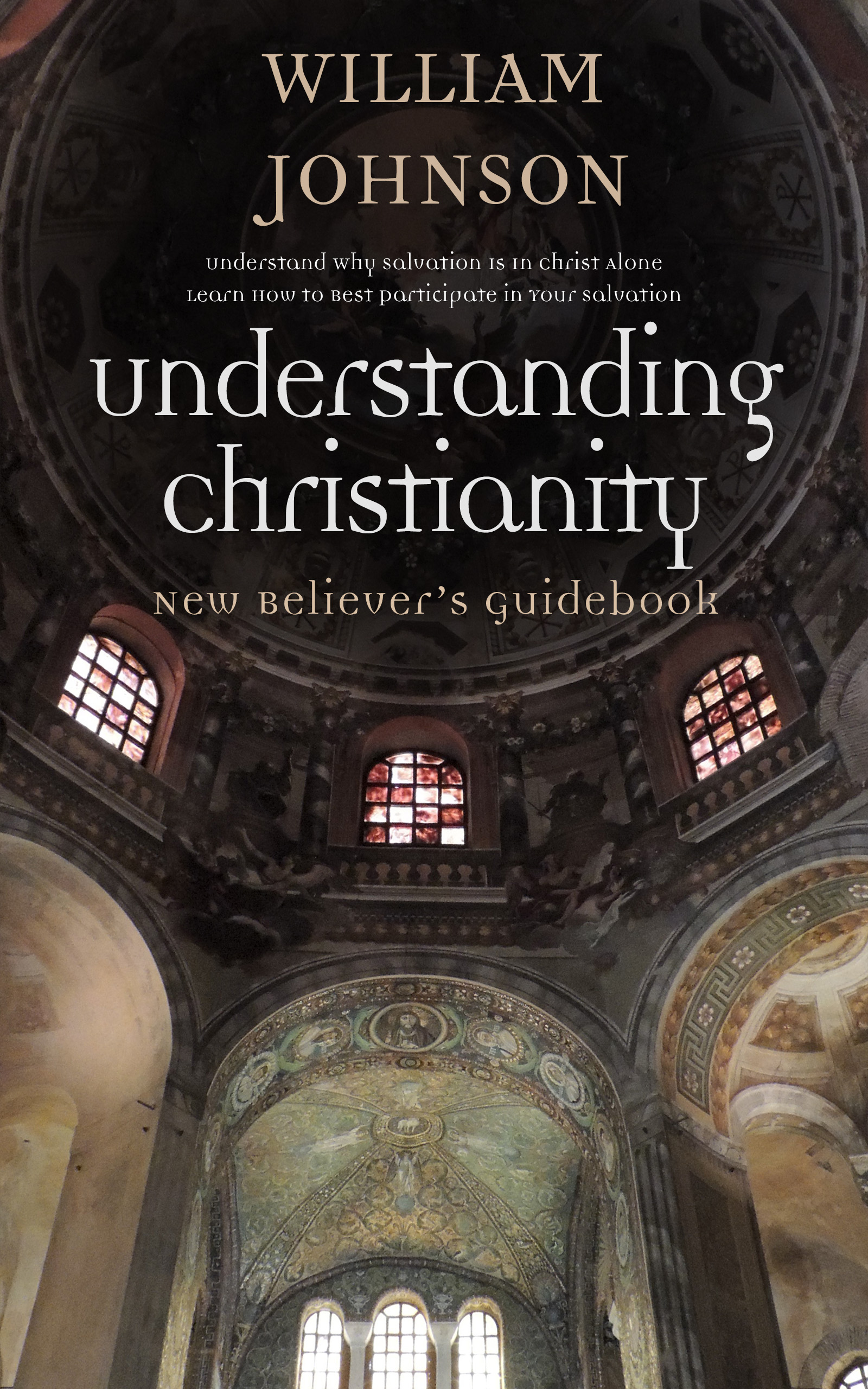
In 95 questions and answers “Understanding Christianity — New Believer’s Guidebook” will teach you how to take hold of the everlasting life found in Jesus Christ — that you may share in His joy, reward, and glory in heaven for eternity.
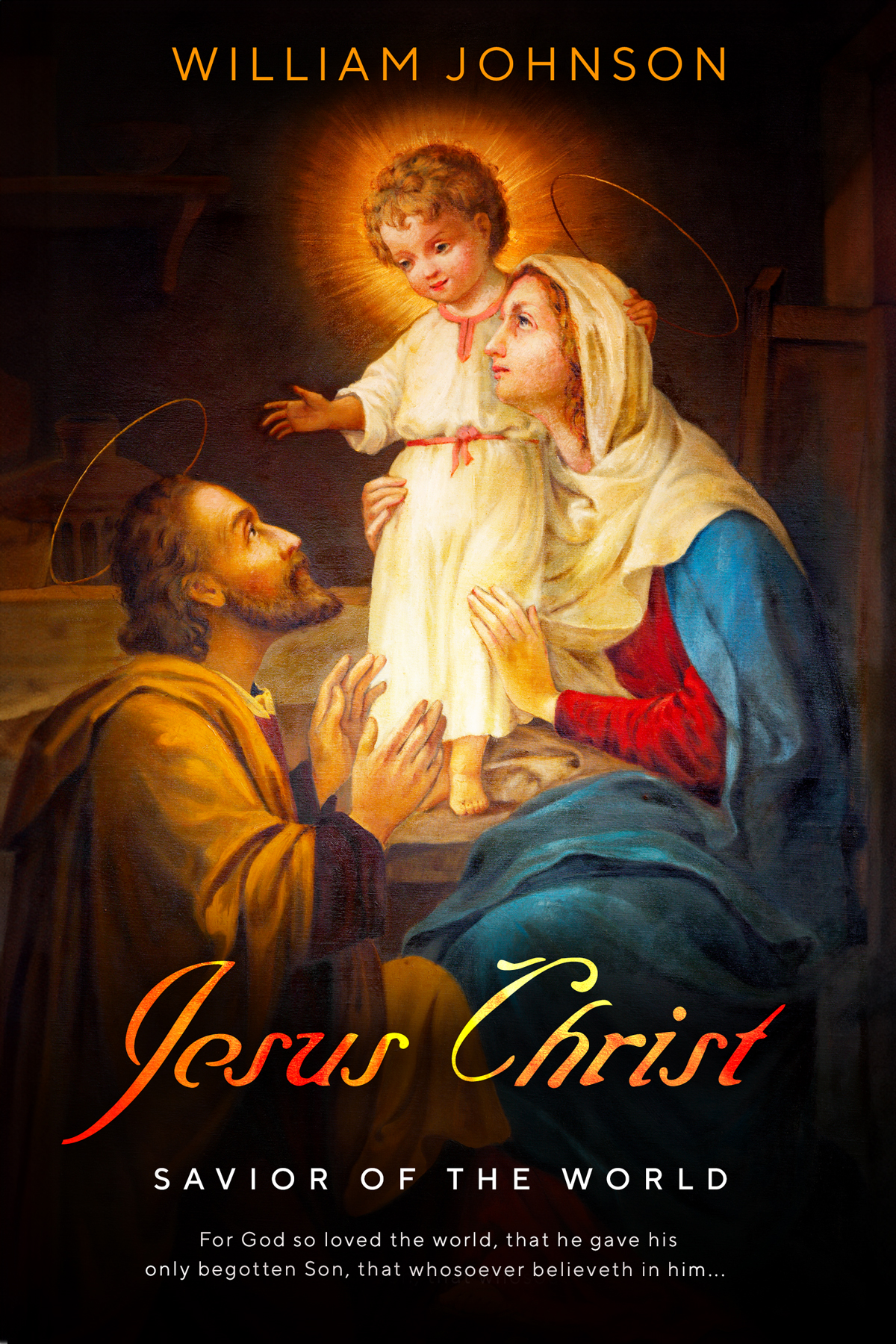
Created as a way to share the Christian faith, “Jesus Christ Savior of the World” is simply chapter one of “Understanding Christianity–New Believer’s Guidebook” and is available for the cost of a greeting card.

William Johnson has been a follower of Christ for 30 years and served the local church in many roles including: teaching Sunday school, singing in the choir, greeting, ushering, leading a small group, and preaching the gospel in a juvenile home. He is a member of Woodside Bible Church in Troy, Michigan.